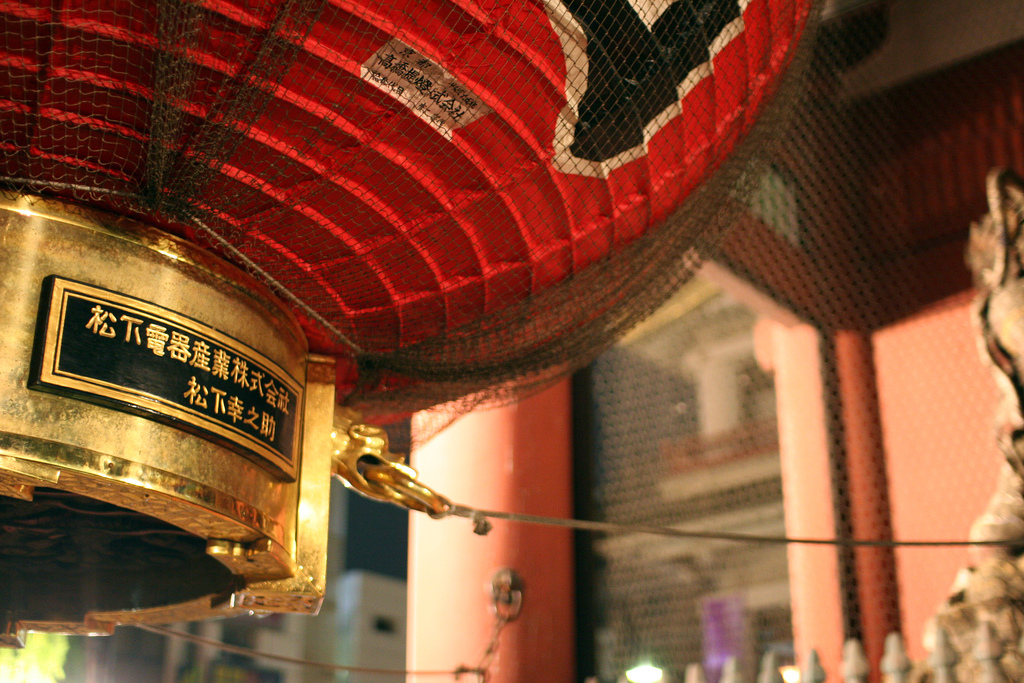
Confirm the berth, not just the city
Start with the full terminal name and your ship's instructions for that call. Save the terminal name and return entrance on your phone before leaving.
Check the Tokyo port-call information or Yokohama arrival information alongside your cruise documents. A port schedule is useful for identifying a berth; it is not a replacement for the ship's own all-aboard instructions.
Yokohama also has Shinko Pier Cruise Terminal (Yokohama Hammerhead). If that is your terminal, do not use the Osanbashi walking directions. The city's terminal access page distinguishes Osanbashi, Shinko and Daikoku.
Returning to the ship? Your sightseeing plan must include the complete journey back and reboarding. Finishing your cruise here? Plan around luggage, hotel check-in or your onward flight instead; there is no reason to return to the terminal unless your own arrangements require it.
From Tokyo International Cruise Terminal
A rail route to investigate is: terminal to Yurikamome Tokyo International Cruise Terminal Station (U08), then Shimbashi, then the Tokyo Metro Ginza Line toward Asakusa.
The cruise building and U08 station share a name but are not the same place. The terminal operator's access page gives about eight minutes for the walk from the station to the terminal. Treat that only as a rough guide for the reverse walk, not as the time needed to get off your ship and reach a train.
Use the current U08 station page to check the Yurikamome service toward Shimbashi. At Shimbashi, allow time to change operators and reach the subway platform; Tokyo Metro lists the Ginza Line direction for Asakusa.
This is a route example, not necessarily the fastest journey on your date. Check a current journey planner, service notices and the return route before setting off. If the schedule does not leave useful time in Asakusa, ask terminal staff about a shorter outing in the Odaiba area instead.
From Yokohama: Osanbashi is not Daikoku
Osanbashi: a rail connection via Yokohama
One route to compare is: walk to Nihon-odori, take the Minatomirai Line to Yokohama, change to a JR Tokaido Line train toward Tokyo that stops at Shimbashi, then take the Ginza Line to Asakusa.
Osanbashi's operator gives a seven-minute walk from Nihon-odori Station exits 3 or 4 to the terminal. That is a station-exit-to-terminal estimate; use it only as an approximate guide in reverse and allow separately for disembarkation, station access and transfers.
Check the Nihon-odori timetable toward Yokohama, then the JR Yokohama services and your train's stops. Do not confuse the Shonan-Shinjuku Line with the Tokyo-bound route through Shimbashi. Other routings may be offered by a journey planner; check each transfer and destination rather than assuming a direct train.
If the onward trip to Tokyo would dominate the day, a shorter Yokohama visit may make more sense. Ask staff for a walk or local option suited to your available time and return entrance, rather than treating Asakusa as obligatory.
Daikoku: solve the road connection first
Do not apply Osanbashi's station walk to Daikoku. First confirm how you will leave the terminal area and how you will get back. The city's access guidance warns that municipal buses may be very crowded on cruise-call days and suggests considering other transport, including taxis.
Its bus examples describe travel from stations toward the terminal; they do not establish a port-departure timetable for your visit. Ask about the actual outbound stop, return stop, departures and any ship-arranged shuttle. Do not assume there is a free shuttle, a taxi waiting immediately or a convenient return bus. Until both directions are clear, keep a nearer alternative open.
Build the return plan before the sightseeing plan
Use the all-aboard time given by your ship, not the published sailing time. Confirm whether your phone and the ship are showing the same time, and keep the port agent or ship contact details supplied to you.
- Write down the ship's required all-aboard time and return entrance.
- Allow for the terminal walk, queues, checks and reboarding as advised by the ship.
- Check the full return journey from the place where your visit will actually end, including waits, transfers and any Daikoku road connection.
- Add a margin for disruption that suits that route and your mobility. Agree your own latest departure from Asakusa before you go.
- Only then decide how much sightseeing fits after getting ashore and travelling out.
There is no single return buffer that makes every port call safe. A delayed disembarkation, missed connection or service disruption may mean shortening the visit or not going. Do not plan on a ship waiting for independent travellers: Royal Caribbean's own guidance, for example, explicitly says it will not wait for guests exploring independently. Check the rules of your own cruise line.
For a ship-organised or independently sold shore excursion, ask exactly which terminal is served, whether transport back is included, and what happens if the itinerary changes or returns late. A generic city tour and a cruise-line excursion are not interchangeable.
Luggage and step-free travel can change the choice
If you are disembarking for the final time, settle the luggage plan before adding Asakusa. Confirm storage size, availability, payment and the time by which you can retrieve your bags. Osanbashi publishes locker information, but a listed locker is not a reservation or a promise that your bag will fit. Avoid building a sightseeing day around unconfirmed storage.
For wheelchairs, strollers or limited walking stamina, check each part of the journey: ship-to-terminal access, the outdoor walk, station entrances, transfers and the final street route. Tokyo Metro's Asakusa accessibility page covers its Ginza Line station and includes elevator notices. It does not establish a step-free route across every operator or guarantee that equipment will be available on your date.
Once you reach Asakusa: DIY or a local guide?
For a flexible visit, choose a small part of our Asakusa to the Sumida River guide rather than assuming the whole half-day route fits your port call. A self-guided visit lets you turn back at your planned departure time; extra stops should remain optional.
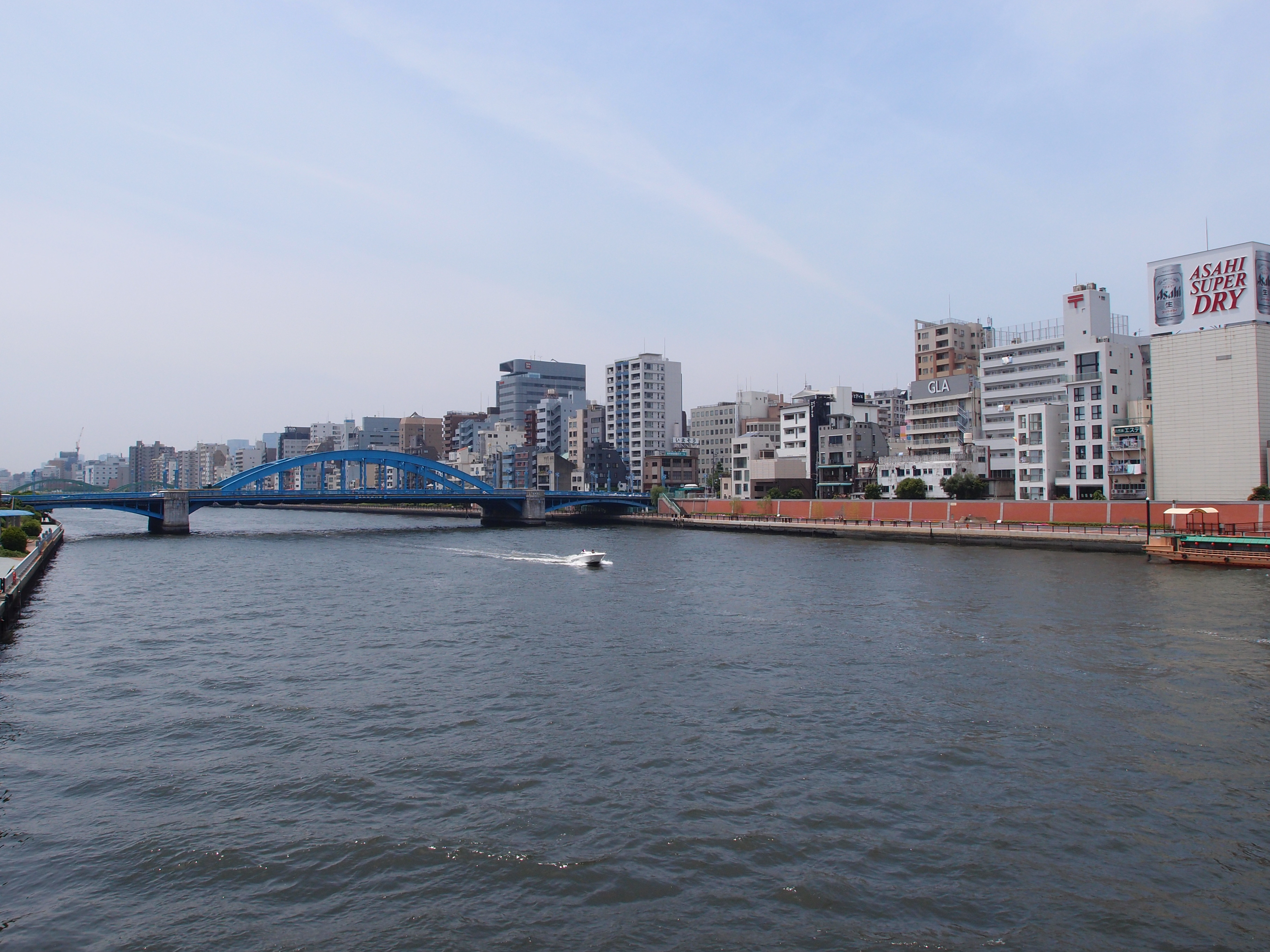

A guided walk is a separate local activity
A guide may suit you when you want historical context and a structured walk. It also adds a fixed meeting time and finish location to the day. Confirm that the complete activity and your return journey fit, not just that you can arrive for its start.
If you need a guide to meet the ship, ask your cruise line or provider for an option that explicitly names your terminal and includes the required transfers. The local walk above is not a substitute.
Five questions to ask before leaving the port
- What is our exact terminal, return entrance and all-aboard time today?
- How do I reach the station or city, and how do I return to this entrance?
- Are there delays, crowding, shuttle restrictions or last departures I should know about?
- What step-free route or luggage storage is actually available for my needs?
- If Asakusa is too ambitious today, what nearer outing would you suggest?
Take the answers seriously even if they change the plan. A shorter visit with a clear way back is more useful than a long checklist built on an uncertain connection.