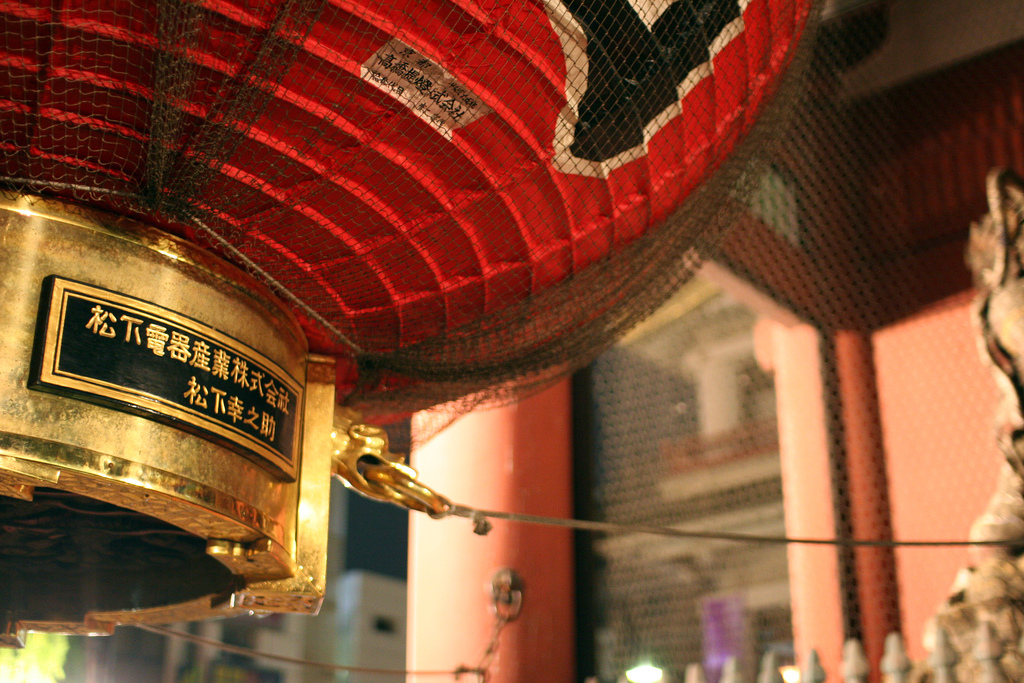
The pleasure is in the change of scene. A huge lantern frames the temple approach; beyond the shopping street are crimson gates, a pagoda and the sweep of the main hall’s roof. Later, the river gives those close-up details a wider setting, with bridges and Tokyo Skytree drawing your eyes outward. Explore Senso-ji and the official waterfront guide.
Begin with the temple, leaving space for a snack
Walk through Kaminarimon toward Nakamise and Senso-ji. Nakamise’s shops give you plenty to pause over: traditional souvenirs, rice crackers and sweet treats. Choose a snack that catches your attention, check the price and ingredients, and follow the shop’s directions about where to eat. Individual businesses set their own hours; an early temple visit does not mean every shop will be open. GO TOKYO’s Senso-ji guide introduces the temple approach and nearby food.
At the temple, allow a moment without the camera. This is an active place of worship, so keep entrances clear and follow signs and staff directions. Senso-ji’s founding story connects it to fishermen who found an image of Kannon in the Sumida River. Walking to the water afterward gives that story a physical setting. The temple’s official history explains the connection.
If entering the main hall matters to you, plan around its hours. The temple currently lists 06:30–17:00 from October through March and 06:00–17:00 from April through September. Those are main-hall hours, not a shared timetable for the neighborhood or every temple building. Check the official visiting information before setting out.
Let the river be your second scene
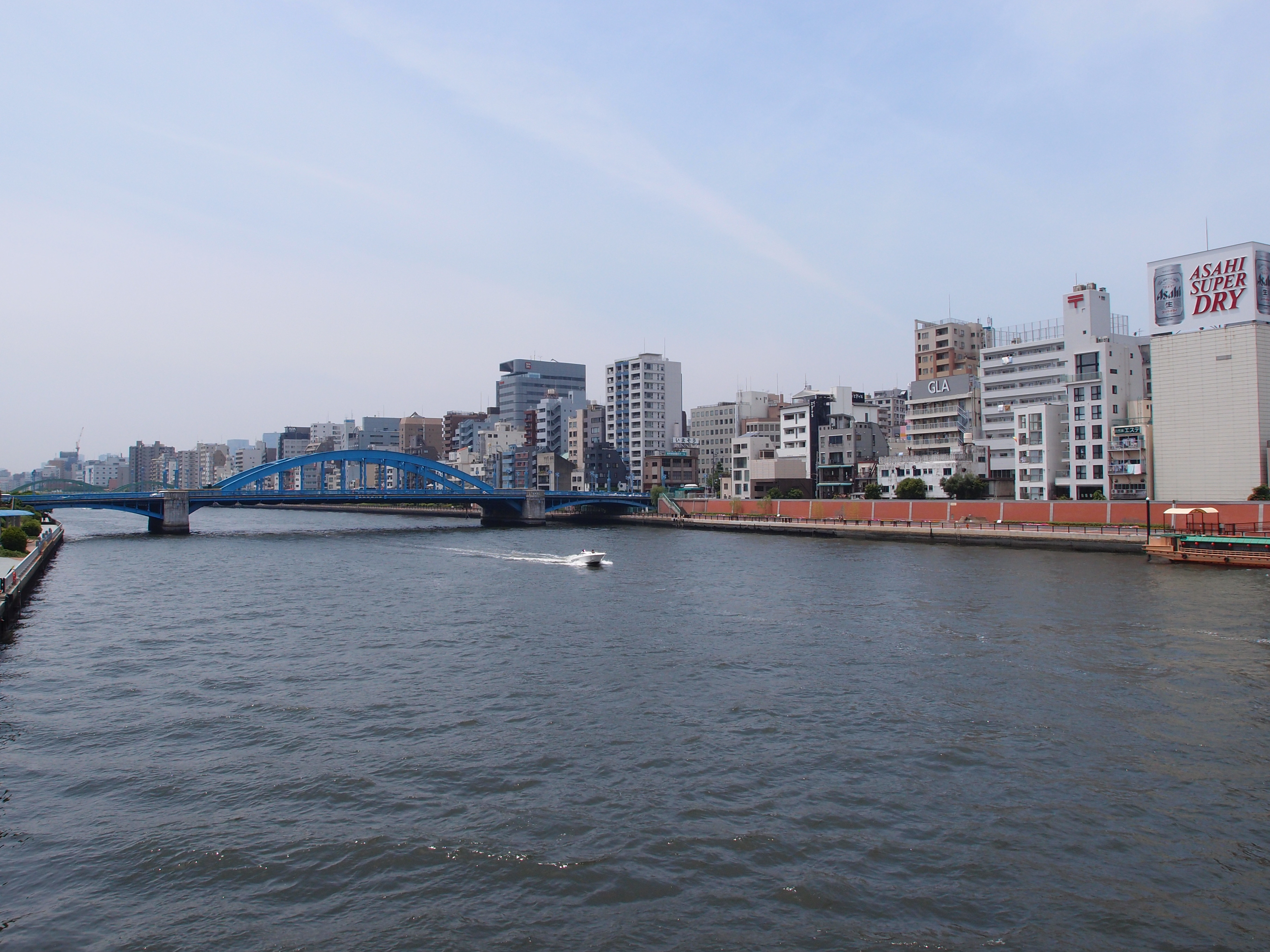
After the temple, head toward the Asakusa side of the Sumida River and choose how far you want to continue. You do not have to reach Skytree to make this walk worthwhile. A waterside pause and a return to Asakusa can be a satisfying finish, especially if you would rather spend more time over lunch.
For a longer version, use SUMIDA RIVER WALK to cross toward TOKYO mizumachi, the collection of cafés, restaurants and shops beneath the elevated railway. The crossing and riverside setting offer a different view of Tokyo from the temple approach. Normal bridge hours are 07:00–22:00; mizumachi businesses have individual opening hours and prices. Check the waterfront’s access and hours, then choose a stop from the current mizumachi shop list.
Make the café your destination if that sounds good. You can add the Skytree area when time and energy allow, but tower admission is a separate activity and should not be squeezed into a guaranteed half-day schedule.

Choose the version you actually want
1. Independent temple-and-river walk
Choose this for freedom to stop, browse and change direction. The basic Senso-ji visit and SUMIDA RIVER WALK do not require paid admission; transport, food, shopping and any optional activities add to your budget. Tokyo’s tourism guide identifies Senso-ji as free, and Tobu describes the pedestrian crossing as free to use.
Set one priority, such as the temple or a leisurely lunch, and let everything else fit around it. This is the easiest version to shorten when the weather turns.
2. An English-guided history and culture walk
Choose this option if stories and local context matter more than setting your own pace. The specific tour below provides a guide's explanations, not a food-tasting package. If you want included tastings or long shopping stops, it is not the same experience; plan food and browsing separately.
Before booking, compare the meeting point, language, group size, walking demands and finish location with your plans. Confirm the final price for your party, accessibility or other individual needs, and cancellation and weather terms. Do not assume the guide follows the full independent river-and-mizumachi route in this article.
3. Temple visit plus a boat departure
If seeing Tokyo from the water appeals more than a longer walk, consider a Tokyo Cruise departure from Asakusa as an alternative ending. Confirm your destination and onward journey before buying: a one-way sailing changes where your afternoon finishes.
The operator's current Japanese timetable and fares, checked on 16 October 2026, list Asakusa to Hinode Pier at approximately 40 minutes. That is sailing time, not the duration of your entire outing. Leave separate time to reach the pier, collect or check tickets, board and travel onward. Confirm the selected sailing's fare, boarding instructions, luggage rules and cancellation terms; do not turn a guided walk and a boat into a tight connection.
Use the operator’s timetable and fares and day-of-operation page. The latter explicitly does not show seat availability. The operator’s FAQ says same-day tickets are first come, first served. Weather and maintenance can affect service; do not assume a boat will be available as an automatic fallback.
Getting there, weather and a useful first stop
Asakusa is served by the Tokyo Metro Ginza Line, Toei Asakusa Line, Tobu Skytree Line and Tsukuba Express. Check your railway and station exit carefully: the same station name does not mean the same arrival point.
The Asakusa Culture Tourist Information Center, at 2-18-9 Kaminarimon, is a useful orientation stop. Admission is free. Published hours are 09:00–20:00, with the observation terrace closing at 22:00; maintenance closures are possible. Its station-by-station access information is useful for choosing your approach.
In rain, shorten the exposed riverside stretch and leave more time for a sit-down meal. In hot weather, reduce outdoor walking and take indoor breaks. Check Japan Meteorological Agency forecasts, warnings and heat alerts, and follow local closure notices rather than treating the route as fixed.
The best version of this half-day leaves you time to notice something small: a souvenir you want to examine, the temple roof above you, or the view across the water after lunch. Pick the experience that makes you want to linger.
Official information checked: 13 October 2026. Hours, services, prices and booking conditions can change; reconfirm for your travel date.